
SEO Explained: Why It Matters for Your Business
Search Engine Optimization (SEO) is the process of improving a website so it appears higher in search engine results when people search for relevant products, services, or information. SEO matters for businesses because it increases online visibility, attracts qualified traffic, builds credibility, and helps generate leads and sales without relying entirely on paid advertising.
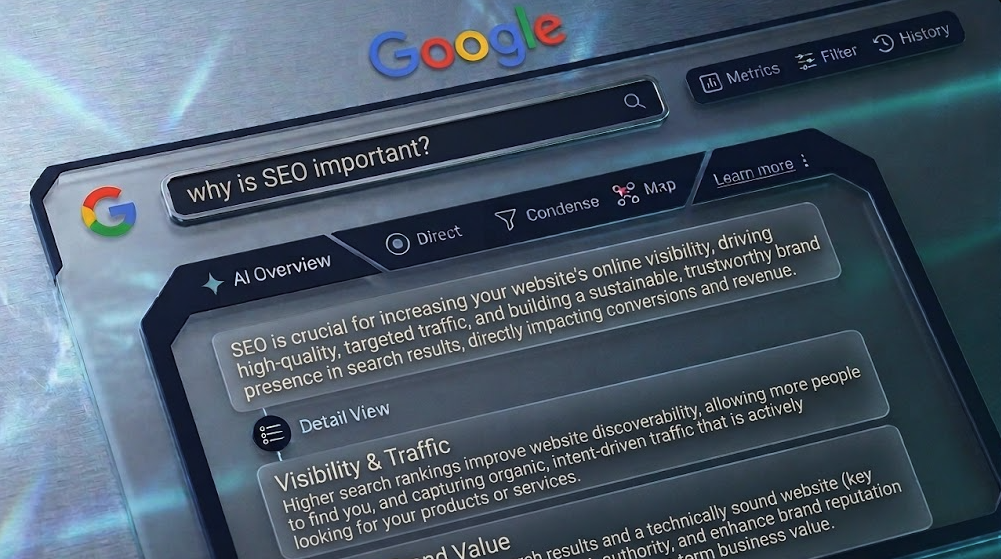
KEY BREAKDOWNS
SEO improves your website’s visibility in Google and other search engines, helping more users find your business.
Higher search rankings attract potential customers actively looking for your products or services.
Consistent SEO strategies generate organic traffic, reducing the need for paid advertising over time.
Implementing technical SEO, quality content, and user-friendly design builds credibility and enhances the overall user experience.
What is Search Engine Optimization (SEO)
Search Engine Optimization, commonly called SEO, is the practice of optimizing a website so it ranks higher in search engine results pages. When users search online for solutions, products, or services, search engines analyze websites and display the most relevant results.
SEO helps ensure a business’s website appears in those results. This involves optimizing website content, improving technical performance, and making the site easier for search engines to understand.
The better a website is optimized, the more likely it is to appear in front of potential customers who are actively searching online.
How SEO Helps Businesses Get Discovered
Many buying decisions begin with an online search. People often look for solutions, compare options, or research companies before making a purchase.
If a business appears near the top of search results, it has a much higher chance of being discovered by potential customers. This increased visibility can lead to more website visits, inquiries, and sales.
Without SEO, even a great website may remain hidden because competitors are ranking higher in search results.
The Main Components of SEO
SEO usually involves three major areas: technical SEO, on-page SEO, and content optimization.
Technical SEO focuses on the performance and structure of a website, including page speed, mobile compatibility, and proper indexing by search engines. These factors help search engines crawl and understand the site.
On-page SEO includes optimizing page titles, headings, keywords, and internal links so search engines know what each page is about. Content optimization ensures the information on the website answers real user questions and provides value.
When these elements work together, a website becomes easier for both search engines and users to navigate.
SEO as a Long-Term Marketing Strategy
Unlike paid advertising, SEO focuses on long-term visibility. Once a website begins ranking well for important keywords, it can generate consistent traffic without paying for every click.
While SEO requires time and ongoing effort, the long-term benefits can be significant. Businesses can build sustainable traffic sources and reduce their reliance on paid marketing channels.
For many companies, SEO becomes one of the most cost-effective ways to attract new customers online.
The Role of Content in SEO
Content plays a central role in successful SEO strategies. Search engines aim to deliver the most helpful and relevant information to users.
Businesses can improve their visibility by creating content that answers common questions, explains solutions, and addresses customer needs. Examples include blog posts, guides, case studies, and FAQs.
High-quality content not only improves search rankings but also builds trust with potential customers.
Practical Applications
Coffee Shop (Local Service Business)

Problem: Local customers often struggle to find a nearby coffee shop that offers specialty drinks, comfortable seating, and a welcoming atmosphere. Many rely on Google searches like “best coffee near me” or “cozy cafes in [city]” but smaller shops rarely show up in results.
Solution: The coffee shop implements local SEO strategies, including optimizing its website for key search terms, creating Google Business Profile listings, and posting blog content about seasonal drinks and in-store events.
Result: When people search for coffee nearby, the shop consistently appears at the top of search results. This increased online visibility leads to more foot traffic, higher walk-in sales, and more customers discovering their unique offerings for the first time.
Clothing Brand (E-commerce Store)
Problem: Online shoppers are overwhelmed by choices and often hesitate to buy clothing without guidance on styles, fits, or current trends. Many leave websites without purchasing because they’re unsure if a product suits their needs.
Solution: The clothing brand publishes detailed style guides, size charts, and “how-to” trend articles that rank in search results when potential customers research outfits. They also include links to products and curated collections within the guides.
Result: Visitors arrive through organic search looking for guidance and end up exploring recommended products. This boosts conversion rates, increases average order value, and establishes the brand as a trusted resource for style advice.
AI Startup (B2B Company)
Problem: Businesses often struggle to understand how AI can solve operational challenges and are hesitant to invest without seeing clear examples or guidance. Many decision-makers turn to online research before engaging with vendors.
Solution: The AI startup creates in-depth educational content, including blog posts, whitepapers, and case studies that explain common industry problems and demonstrate how their AI solutions provide measurable results. They optimize this content for SEO so it appears when decision-makers search for relevant solutions.
Result: Decision-makers discover the content through search engines, gain confidence in the startup’s expertise, and sign up for demos. Over time, these visitors become qualified leads and drive measurable revenue growth for the company.
Quick Takeaways
-
SEO stands for Search Engine Optimization. It refers to the process of improving a website so it appears higher in search engine results when users search for relevant topics or services.
-
SEO typically takes several months to produce noticeable results. Factors such as competition, website quality, and content strategy influence how quickly rankings improve.
-
SEO and paid advertising serve different purposes. Paid ads can generate immediate traffic, while SEO focuses on long-term organic visibility. Many businesses use both strategies together for the best results.
-
Keywords are the search terms people type into search engines. Businesses optimize their website content around relevant keywords so their pages appear when users search for those topics.
-
Yes. SEO can be especially valuable for small businesses because it helps them compete online and reach customers searching for specific products or services. Even small improvements in search visibility can lead to more leads and sales.
Beyond the Surface: The Riseomar Breakdown

Feeling like your website is the best-kept secret in town? Let’s fix that.
Start with a complimentary digital marketing audit — we’ll dig into your SEO, website, and digital strategy to spot missed opportunities and help your business get noticed, attract more customers, and maybe even make your competitors jealous.
Get Your Complimentary Audit
Don’t know where to start? Your business deserves more than 3 likes and a “🔥” from your cousin. Boost your visibility, bring in real leads, and stop wasting money guessing what works. Start with a complimentary digital marketing audit and we’ll show you what your website, SEO, and ads are really doing.